

There’s something magical about ending a long day with a warm bowl of ramen. I still think about that first bowl I had in Tokyo, the rich broth, the comforting noodles, the whole experience. While homemade ramen doesn’t have to be complicated, getting that deep, cozy flavor can feel intimidating.
That’s exactly why this veggie meal prep ramen is such a win. It’s approachable, flexible, and packed with flavor, without requiring hours in the kitchen. Plus, it stores beautifully, making it perfect for busy weeks when you want something nourishing and satisfying ready to go.
Get more recipes like this in the Workweek Lunch Meal Prep Program
with access to our meal planning tools, grocery list generator, and more. Start a free trial today!
I didn’t start liking ramen until I went to Japan. I’ll never forget finishing off my first full day in Tokyo with a bowl of ramen. It was so intimidating to order from the machine, sit down and try to slurp up my noodles properly. I only finished half the bowl, but it was mind-blowing. The broth is truly everything.
I’ve made ramen at home about a dozen times at this point but haven’t quite gotten it to taste the same. Ramen can be a bit of a project because, as mentioned, the broth is everything and that “everything” takes time!
But lo and behold—this version is something I’m proud of. It tastes really similar to the vegan ramen I tried in Tokyo at this restaurant in Tokyo Station.
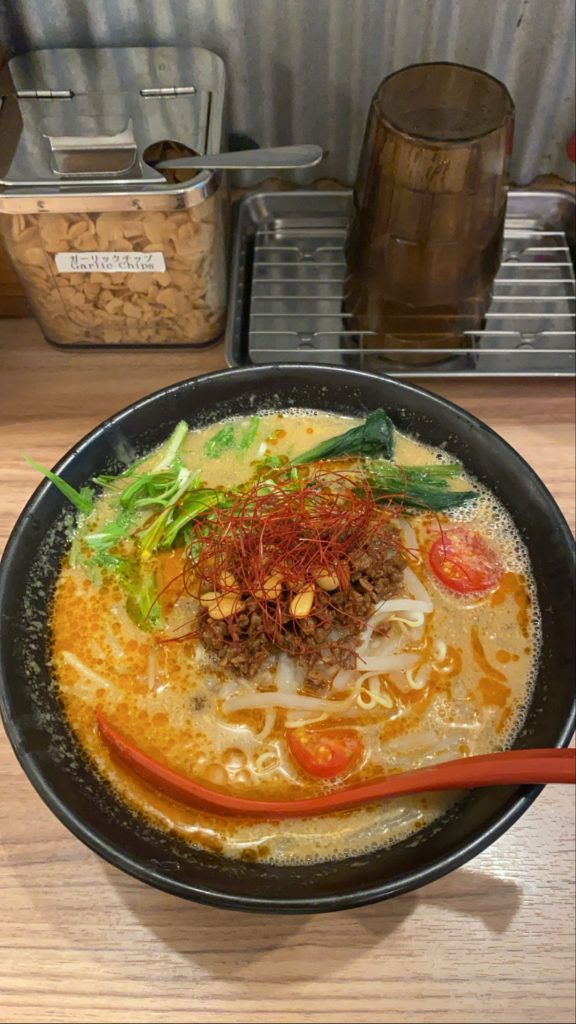
How to Customize This Recipe
This vegetarian ramen is incredibly flexible. You can mix and match veggies based on what you have or what you love.
Try adding or swapping:
- Bell peppers
- Eggplant (especially good sautéed!)
- Zucchini
- Chopped kale
- Sugar snap peas or green peas
- Green beans
- Bok choy
- Shredded cabbage
- Bean sprouts
- Broccoli or cauliflower
- Jalapeño for heat
For more veggie-packed ideas, check out our Meal Prep Salad Recipes for inspiration you can easily adapt to ramen bowls.
Toppings to level it up:
- Sriracha or chili oil
- Nori or wakame
- Bamboo shoots
- Lime juice
- A small pat of butter for richness
- Fried, soft-boiled, or poached eggs
Dietary Swaps (Vegan / Gluten-Free / Dairy-Free)
This recipe is naturally flexible for different dietary needs.
- Vegan: Skip the eggs or replace with marinated tofu or edamame
- Gluten-free: Use gluten-free ramen or swap in rice noodles
- Dairy-free: Simply skip butter as a topping
Looking for more plant-based ideas? Browse our Tofu Recipes for easy protein options
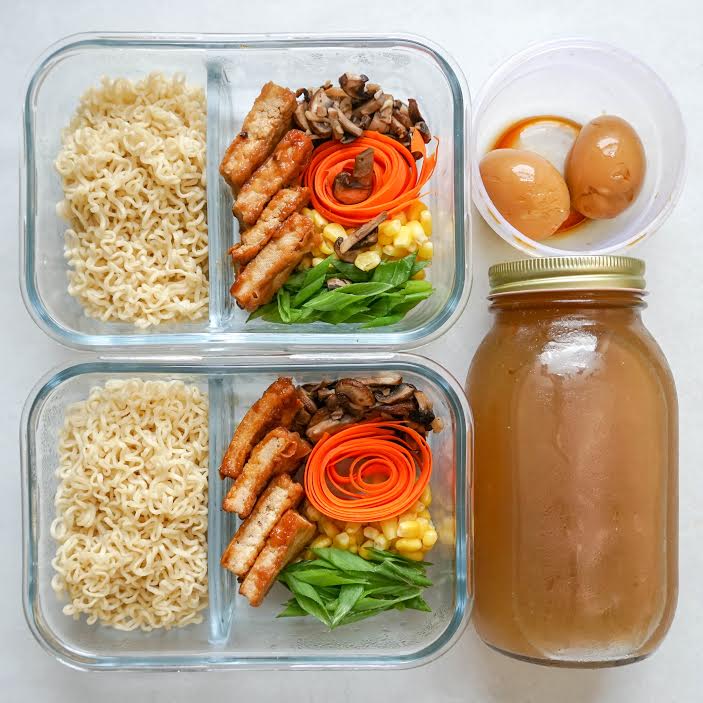
Ingredient Notes or Tips
The secret to a great vegetarian ramen is all about the broth.
- Kombu (dried kelp): Adds deep umami flavor and mimics traditional dashi
- Mirin: Brings subtle sweetness and balance
- Mushrooms (dried or fresh): Boost richness and depth
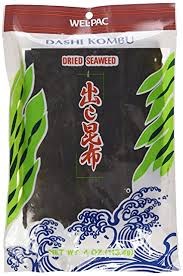

If you don’t have kombu or mirin, don’t worry. You can still build flavor by simmering:
- Garlic cloves
- Onion chunks
- Veggie scraps
Protein options:
- Tofu (pan-seared or baked)
- Tempeh
- Edamame
- Seitan
If you’re cooking for mixed diets, prep proteins on the side so everyone can build their own bowl.
Another important broth ingredient is mirin, a type of rice wine for Japanese cooking. Adding mirin to your broth will add a subtle sweetness, and make your broth taste like ramen broth instead of just a regular mushroom broth. Mirin is a great ingredient for teriyaki sauce and definitely something I recommend keeping on hand.

Replacing marinated eggs
You can use soft-boiled, hard-boiled, or leave them out altogether! Check out the video above on how to get the perfect soft-boiled eggs every time!
For the Protein
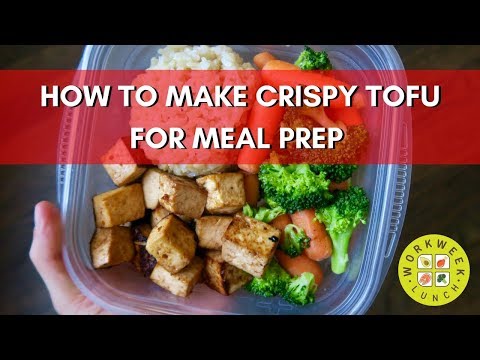
If you don’t want to use tofu, tempeh, edamame or seitan would also work in this. Here’s a video on how to make delicious, tasty tofu!
How to Store and Reheat
For the best texture and flavor, store components separately.
- Broth: 4–5 days in the fridge or freeze for later
- Noodles: Store separately to avoid sogginess
- Veggies & protein: 3–4 days in airtight containers
- Marinated eggs: Up to 4 days (remove from marinade after 24 hours)
To reheat:
Warm the broth on the stovetop or microwave, then pour over your noodles and toppings just before eating.
If you love no-mess lunches, you might also enjoy these Cold Lunch / No-Reheat Meal Prep ideas.
Do you have a meat-eater in your family? You can easily prep meat on the side to add to any ramen bowl. Chicken, shrimp, beef, and pork can be cooked and stored on the side to add to this vegetarian ramen when served.
For the Ramen Noodles
You can use any noodles of your choice if you don’t want to use ramen. I would recommend a longer noodle such as soba, udon, spaghetti, or linguine. Use GF noodles if needed, here is where you can get them!
I like to use the cheap ramen noodles you can find in any convenience store, I just leave the packet out of the meal! But if you have access to higher-quality ramen noodles, go for it.

5 More Vegetarian Recipes To Try
- Vegetarian Shoyu Ramen
- Pineapple Fried Rice with Tofu
- Vegetarian Korean Ramen Recipe
- Momofuku Vegetarian Ramen Broth
- Peanut Tofu Stir Fry with Broccoli, Peppers and Quinoa
FAQs
Yes! This recipe is perfect for meal prep. Store all components separately and assemble when ready to eat. This keeps the noodles from getting soggy and preserves the texture of your veggies and toppings.
The broth lasts up to 5 days, while veggies and protein stay fresh for about 3–4 days. Marinated eggs should be eaten within 4 days for the best texture and flavor.
You can freeze the broth for up to 3 months. Avoid freezing noodles and toppings, as they don’t thaw well. Just cook fresh noodles when you’re ready to eat.
Classic ramen noodles are great, but soba, udon, spaghetti, or rice noodles all work well. Choose what fits your pantry and dietary needs.
Not at all. You can swap in tempeh, edamame, or even skip the protein entirely. This recipe is all about flexibility.
Use kombu, mushrooms, garlic, onion, and mirin if possible. Letting the broth simmer longer also helps deepen the flavor.
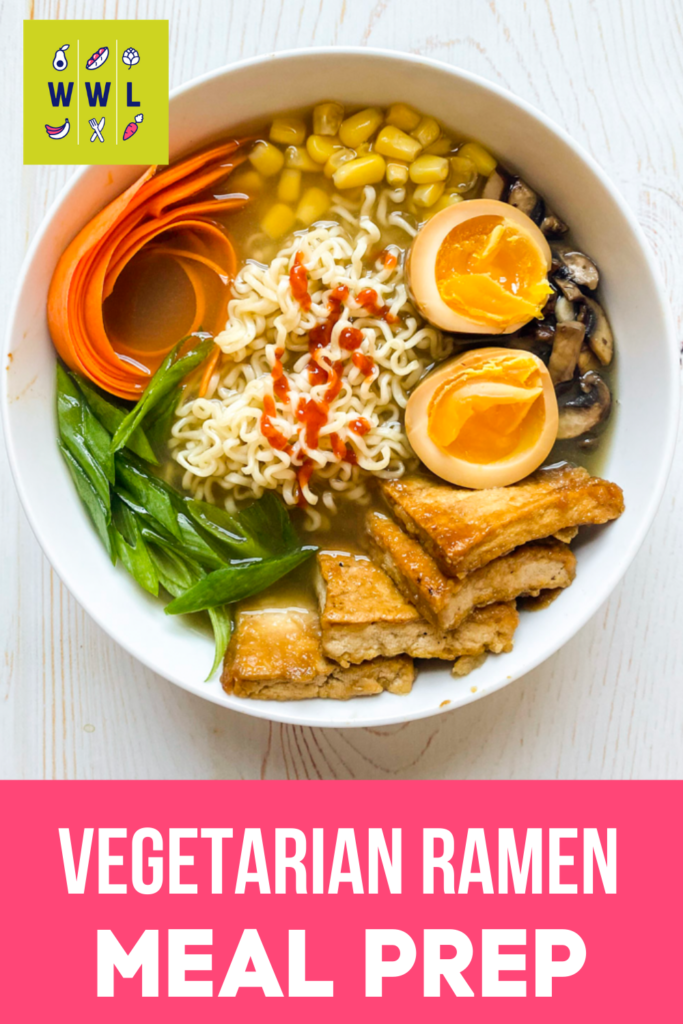

Veggie Ramen With Tofu & Marinated Eggs
Ingredients
For the ramen broth
- 1 tsp olive oil or oil of your choice
- 1/2 onion roughly chopped
- 1 clove garlic roughly chopped
- 1 inch ginger roughly chopped
- 8 oz shiitake mushrooms sliced, you need 1 small handful for the broth, the rest for the toppings; or white or baby bella mushrooms.
- 32 oz vegetable broth or water
- 2 cups water
- 1 TBSP miso paste veg soup stock paste/cubes or Yondu can work too
- 2 TBSP soy sauce or tamari or liquid aminos, plus more to taste
- 3 packages ramen noodles discard the flavor packet, sub 6-8 oz noodles of your choice
For the veggie toppings
- salt and pepper to taste
- 3 carrot peeled into ribbons
- 1 cup corn frozen, fresh or canned
- 3 scallion green and white parts chopped; throw the white parts in the broth!
For the tofu (optional)
- 14 oz package of firm tofu drained and chopped into cubes or rectangles
- 1 TBSP cornstarch or arrowroot starch
- 1/3 cup vegetable oil or avocado oil
- 1/4 cup soy sauce or tamari or liquid aminos
For the marinated eggs (optional)
- 3 eggs
- 4 cups water
- 2/3 cup soy sauce or tamari or liquid aminos
- 1/3 cup mirin

Instructions
- Add the oil to a large pot over medium heat, followed by the onion, garlic, ginger and handful of shiitake mushrooms. Stir frequently and saute over medium-low heat for about 6-8 minutes, until fragrant. Add the broth, water, miso paste, and soy sauce. Stir and bring to a boil, then reduce heat to low. Cook, uncovered, for at least 30 minutes. If you wish to cook longer than 30 minutes, cover the pot and continue simmering. Make sure to taste it after 30 minutes and adjust as needed.
- Cook the remaining mushrooms: Add about a tablespoon of oil to a nonstick skillet over medium heat. Add the mushrooms with a little salt and pepper and stir. Cook for about 10 minutes, until the mushrooms are fragrant and have shrunk in size. If the pan looks dry while cooking, add a splash of water. Set the mushrooms aside.
- Prep the rest of your vegetables. Throw any scraps into the broth!
- In a medium bowl, gently toss the tofu cubes/rectangles with cornstarch. Heat up the same skillet you used for the mushrooms with the vegetable oil (or avocado oil) over medium heat. Add the tofu to the pan. You may need to do this in batches to avoid overcrowding the pan. Sprinkle salt over the tofu and let it cook for 5 minutes. Flip and repeat: sprinkle with salt and cook for 5 minutes. Remove the tofu from the pan and repeat the process with the second batch of tofu.
- Add all the cooked tofu to the pan, then add the soy sauce. Gently coat the tofu in the soy sauce so it's evenly covered and cook for 3-5 minutes. Set aside.
- Grab a big bowl and strainer. Pour the broth through a sieve/strainer into a large bowl or glass measuring cup. Discard the scraps (or compost them) and clean out the pot. Add the broth back to the pot. Bring the broth to a boil and cook the noodles (they cook really quickly!). Remove the noodles from the pot when finished. Do not discard the broth!
- Add the eggs and water to a pot. Bring it to a boil, then turn off the heat and cover the pot. Let the eggs cook for 4 minutes for a soft egg and 7 minutes for a harder egg. Whatever you decide, use a timer and time from when you turn off the heat. Transfer the eggs to a bowl of very cold water and let them sit for 5-10 minutes before peeling. Meanwhile, combine the soy sauce and mirin in a meal prep container big enough to hold the eggs. Place the eggs inside and refrigerate.
- Add noodles and toppings (corn, carrots, cooked mushrooms, tofu, chopped scallions) to meal prep containers. Keep the broth and eggs separate. When you're ready to eat, heat up the broth and add all the toppings to the bowl. Pour the warm broth over the toppings. Add the egg and enjoy!


Joy says
Haven’t made this yet as I don’t cook with salt. Is it ok to omit salt in this recipe
Can you make the font easier to read please?
Workweek Lunch says
Hi! 😊 Great question — yes, you can absolutely omit the salt in this recipe.
The broth will still have plenty of flavor from ingredients like garlic, mushrooms, and mirin. If you’re used to cooking without salt, it should taste just right for you. You can also boost flavor with extra aromatics like ginger, green onion, or a splash of soy sauce alternative (if that works for you).