
The word “leftovers” in and of itself is pretty unappetizing. Boredom often sets in after the second (or third!) day eating the same thing, and there’s always the question of how long leftovers are good for. So it’s not surprising to me when readers tell me that that hate eating leftover food—even if they grew up eating them. They aren’t always the most exciting food!
The bad news is if you cook at home, having leftovers, whether in the form of meals or extra ingredients to make them, is inevitable. We can’t plan our way out of having them because we’re not robots! Meal planning helps, but even the best meal plan will yield some leftover food.
The good news? You can learn to make this challenge work for you. You just need to transform them, store them properly and/or learnt to reheat leftovers so they taste great the next day. With the right equipment and prep methods, you also won’t need to worry as much about your leftovers going bad quickly. And then you’ll FINALLY stop wasting food or forcing yourself to eat something that doesn’t appeal to you! No one wants to eat out of guilt.
If you’re already a fan of leftovers, I hope this post gives you some fresh ideas on how to make them even better.
How Long Are Leftovers Good For?
Though the FDA food safety guidelines caution against eating leftovers that are more than four days old, plenty of microbiologists agree that you have some wiggle room, especially if everything was packed up properly.
Between 40 and 140 degrees F, food begins to enter “the danger zone”—an environment that’s especially conducive to the growth of bacteria. Don’t leave food out at room temperature for longer than two hours: that’s when a lot of food begins to enter this zone. There are, however, a couple of caveats.
Your meal prepped lunch from the fridge, for example, will last about an extra hour because it’s starting from a colder temperature. One of the MOST common barriers to meal prep is going into the process unsure about how long meals last in the fridge
RELATED: How Long Do Meals Last? A Cheat Sheet
What you do before, during, and after the cooking process will affect how long your leftovers are safe to eat. Ensuring your cooking tools are clean when you begin will greatly minimize any risks. The storage units you use to pack up the food afterward should be spic and span, too. It’s also important that you avoid cross-contamination, like using the same knife to chop raw chicken and veggies without cleaning it in between. But you probably already knew that.
Unfortunately, there’s no way to know for sure that your leftovers are safe, because many harmful microbes are invisible to the naked eye. Fortunately, if you follow all the safest kitchen practices—that means no cross-contamination or leaving anything at room temperature for too long—it’s unlikely that anything seriously harmful will develop on your food. Of course, if you have any kind of doubt about what you’re going to eat, throw it out. And if it smells funny, it’s likely no good.
The Difference Between Leftovers And Meal Prep
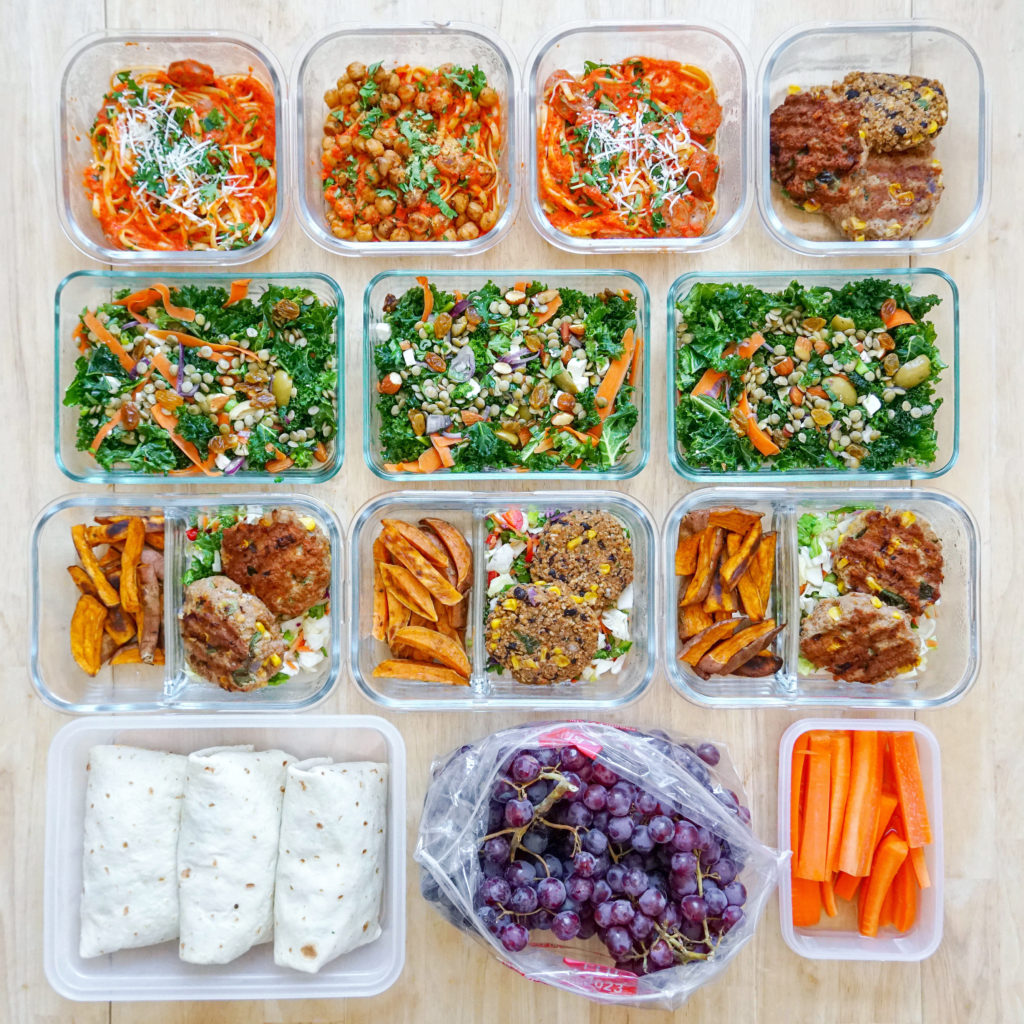
If leftovers happen because you made too much food, meal prep happens because you did it on purpose. That’s it, that’s the difference.
The intention is everything here. Leftovers are usually unintentional and that’s part of why they may be less desirable. Meal prep, on the other hand, is very intentional. You’re making food with the purpose of eating it in the future because you want to, not because you have to.
One issue with leftovers is that not all meals are tasty the next day. Sometimes the texture doesn’t hold up, sometimes the flavors get weird. But you can intentionally choose to make more meals that taste good cold, or if that’s not appealing, one of the 400+ recipes we have in the Workweek Lunch Meal Prep Program!
If you run into too much extra food week after week, instead of trying to cook less, it’s worth it to be more intentional about it and do it on purpose. I guarantee that this simple mindset shift will help a lot!
3 Common Mistakes For Leftovers (And How To Avoid Them)
1. Improper food storage after the meal
This is probably the biggest thing that affects the quality and taste of your food. In my house, we used to cover the remaining food in baking dishes/serving plates with saran wrap or foil. This is a big no-no! Saran wrap and foil simply aren’t good enough to keep the smells from leaking out into the fridge. Plus, since they’re not air-tight, the air interacting with the food can cause it to dry out and get “weird.”
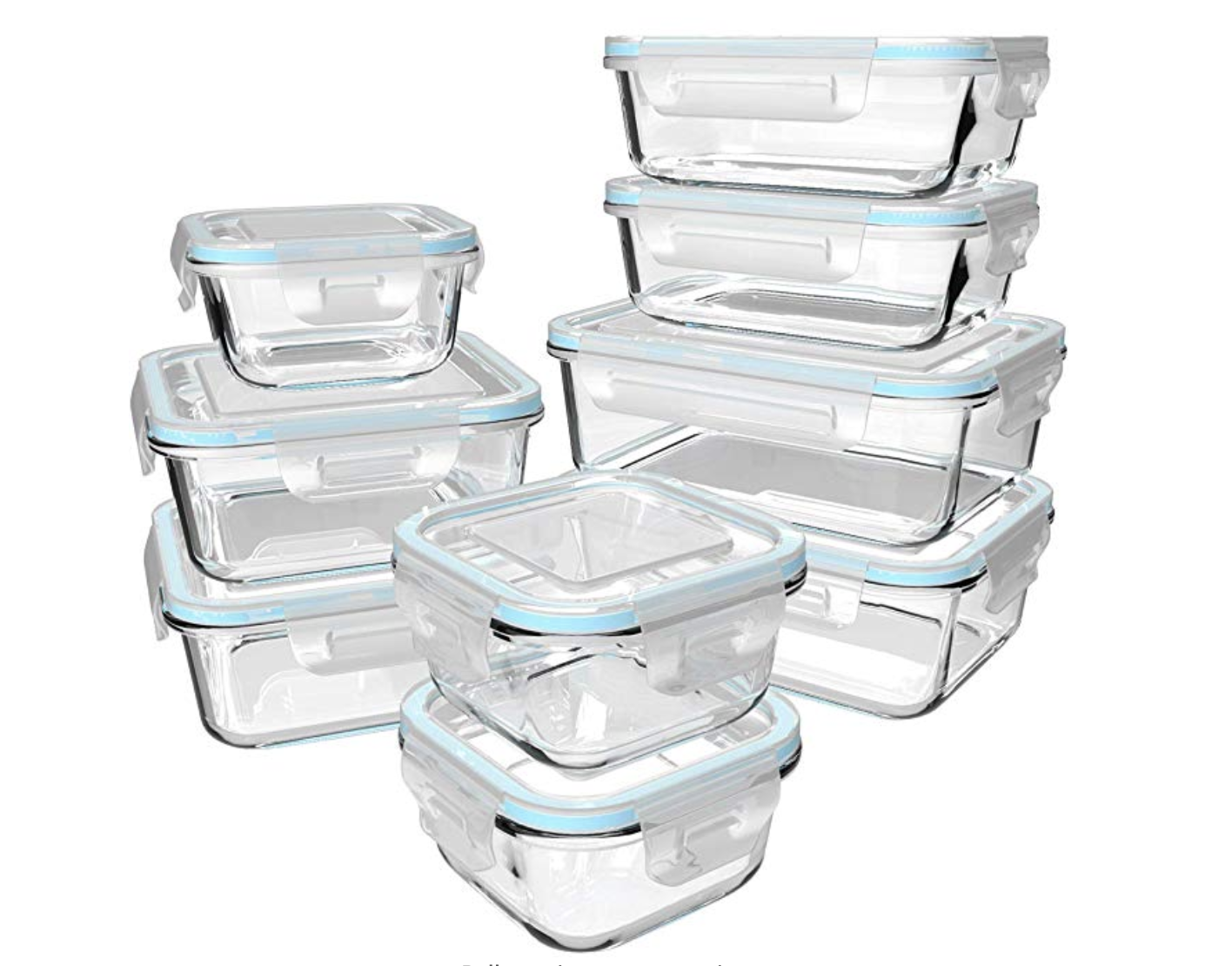
How to fix it: Transfer food to airtight containers (containers with lids that snap) to avoid odors seeping out and air seeping in. It’s important to note that storing food in the fridge after it has cooled down is ideal. If it’s still hot, condensation will collect inside the containers which also messes with the texture. These 18-piece glass storage containers are a great option.
2. Choosing recipes to make big batches of that don’t keep well
This mistake isn’t always avoidable. Have you ever been to a dinner party or gathering where you’re left with random appetizers and bits of meals that aren’t meant to be eaten the next day? I have! Sometimes (not all the time) dishes like dressed salads, breaded meats and sandwich meals just aren’t going to be yummy the next day and there’s not much we can do about it.
How to fix it: Strategically choose meals that will probably taste good the next day or two, or recipes you know you can freeze or that otherwise involve freezer meal prep.
3. Only using the microwave to reheat
The microwave is an obvious answer to reheating leftover food, but for those who are sensitive to textures, it might be best to skip it. You can totally reheat meals on the stove, in the oven, in the toaster oven or even an air fryer if you have one.
How to fix it: The rule I swear by is reheating food where you cooked it. If you cooked a meal on the stove, reheat it in a pan on the stove. If it was cooked in the oven, reheat it in a baking dish covered with foil. Yes, it takes extra work. But you’re not wasting food and the meal will feel a lot fresher!
What You Need to Know About Freezing Leftovers for (Way) Later
In general, it’s best to freeze leftovers the same day or night you cooked them. This will ensure that you’re able to enjoy them at their best, whenever in the future you decide to eat them. On the other hand, leftovers that have already been in the fridge for a few days might not fare as well in your ice chest, but essential freezer meal tips can help.
Again, be sure to let your food cool fully before packing anything into the freezer. If it’s still hot, the condensation that forms will inevitably lead to freezer burn. You’ll also want to opt for different storage units when freezing something, as the colder temps may cause glass containers to crack. Microwave-safe silicone baggies are ideal for the job.
My Favorite Containers For Storing Food And Keeping It Fresh
Maybe you don’t meal prep, but that doesn’t mean you shouldn’t have food containers! They’re a huge help with keeping leftovers appetizing and delicious.
Plastic and glass both work for storing food, but note that glass is less likely to stain and hang onto odors. It’s also easier to reheat since you can pop glass back in the oven (most of the time) to reheat your leftover food.
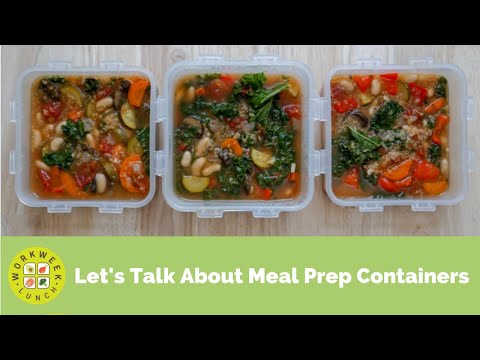
Smaller portions
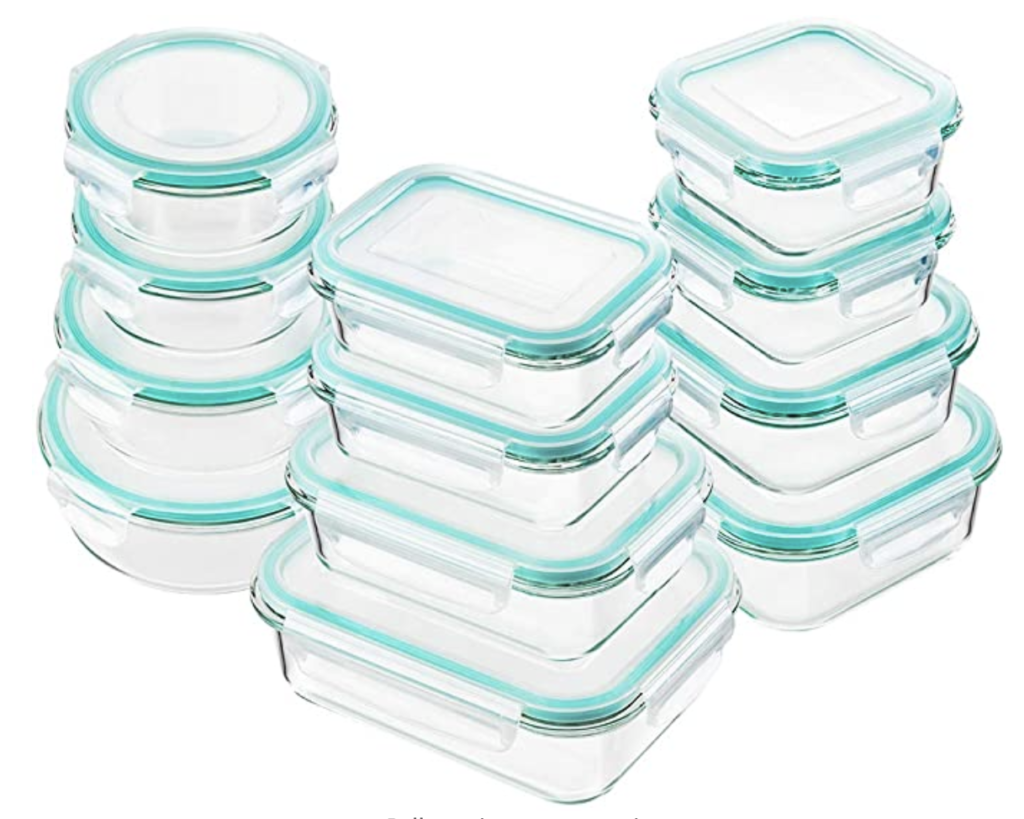
Bigger portions
Large Glass Sealable Containers (8-cup)
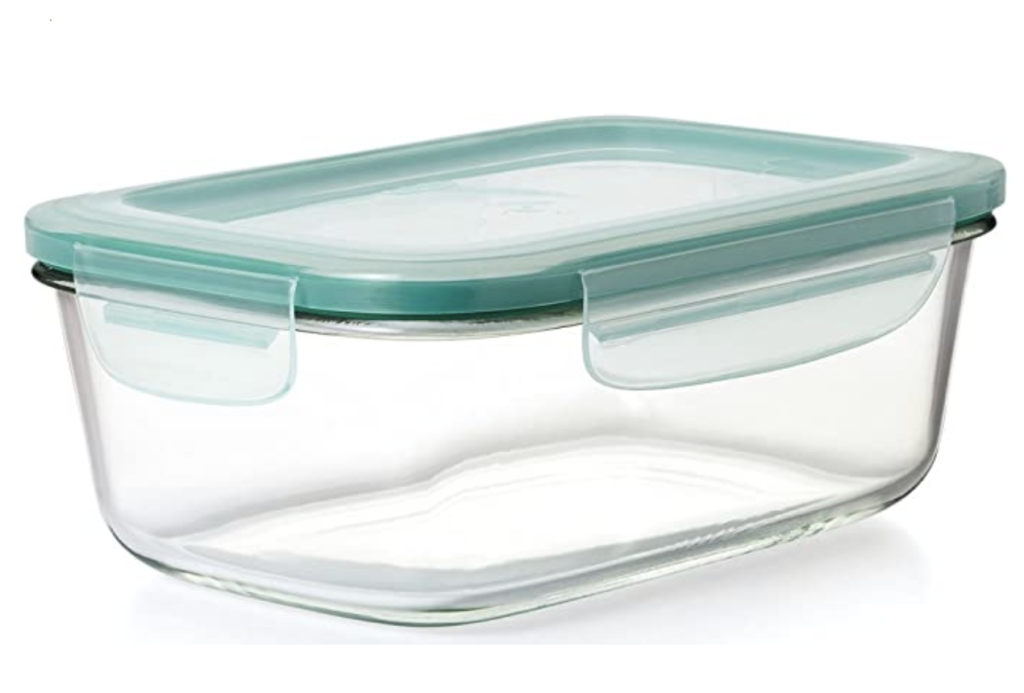
Leftover raw produce
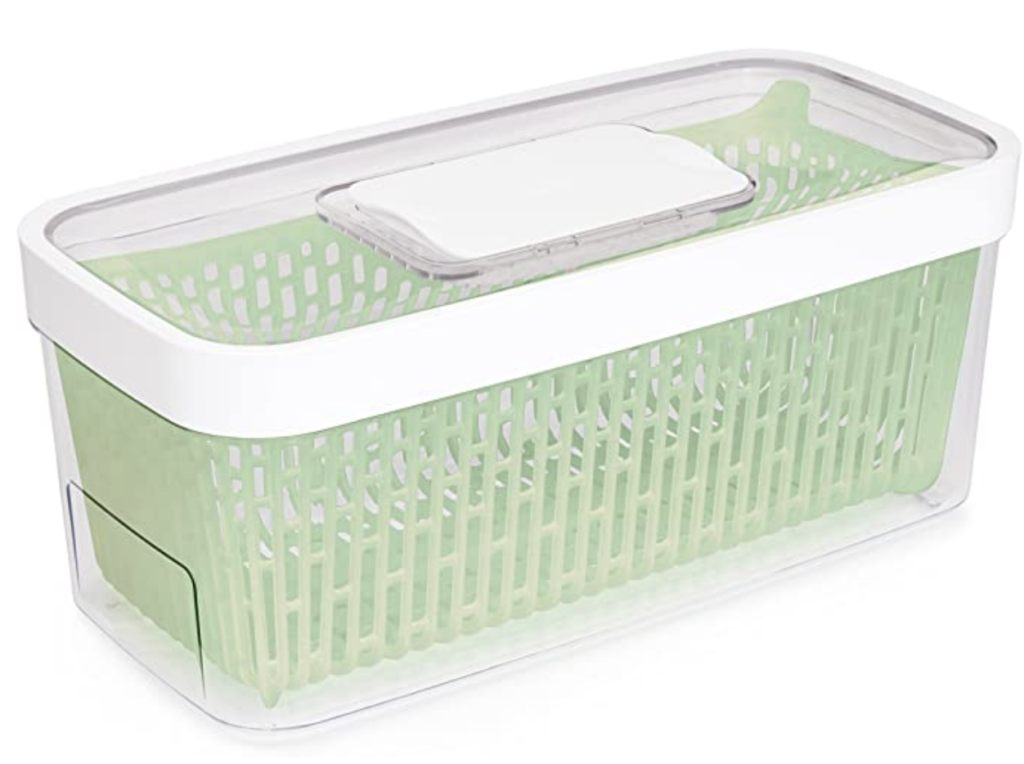
Freezing meals
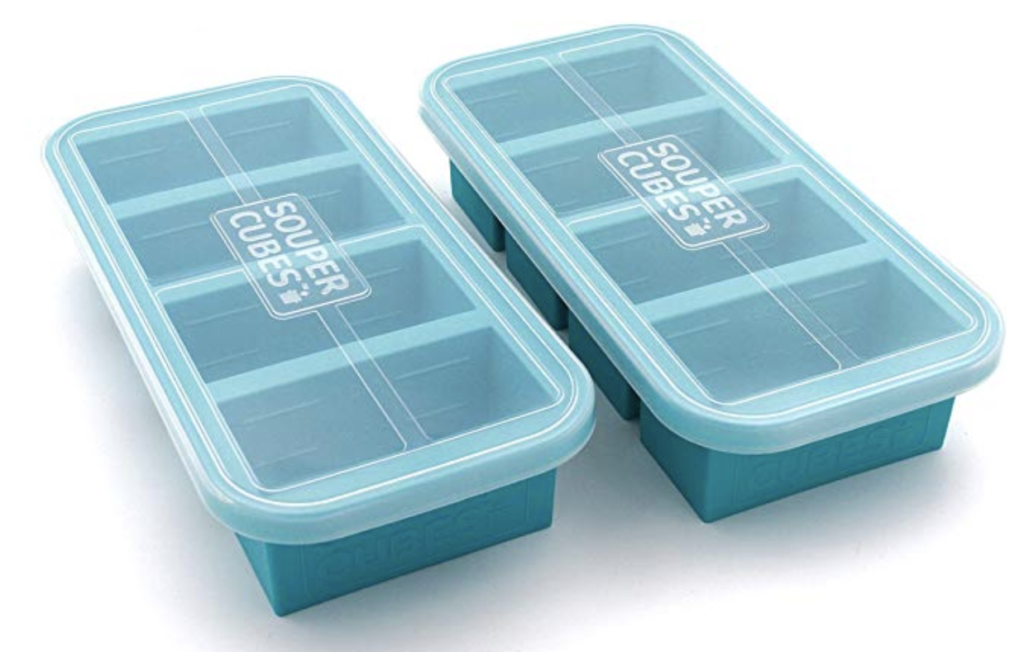
Ways To Creatively Repurpose And Refresh Leftovers
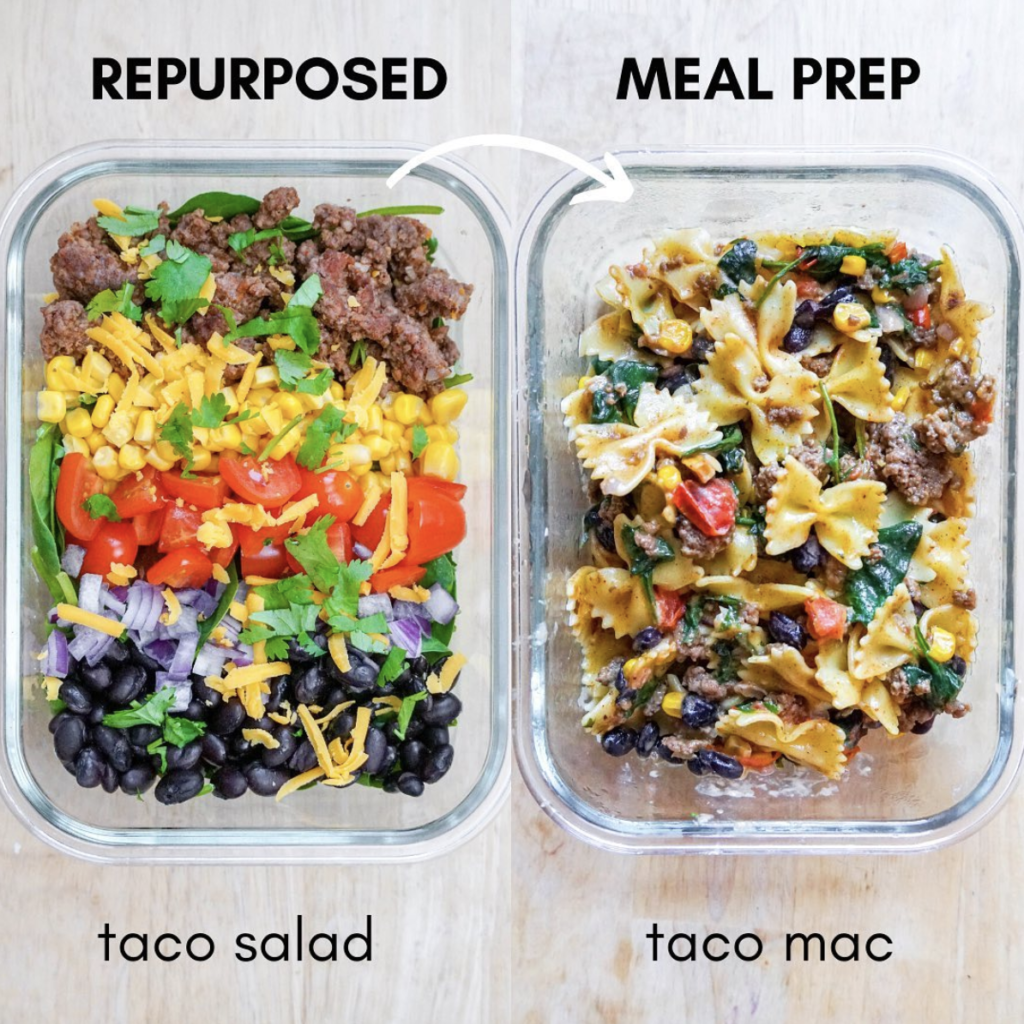
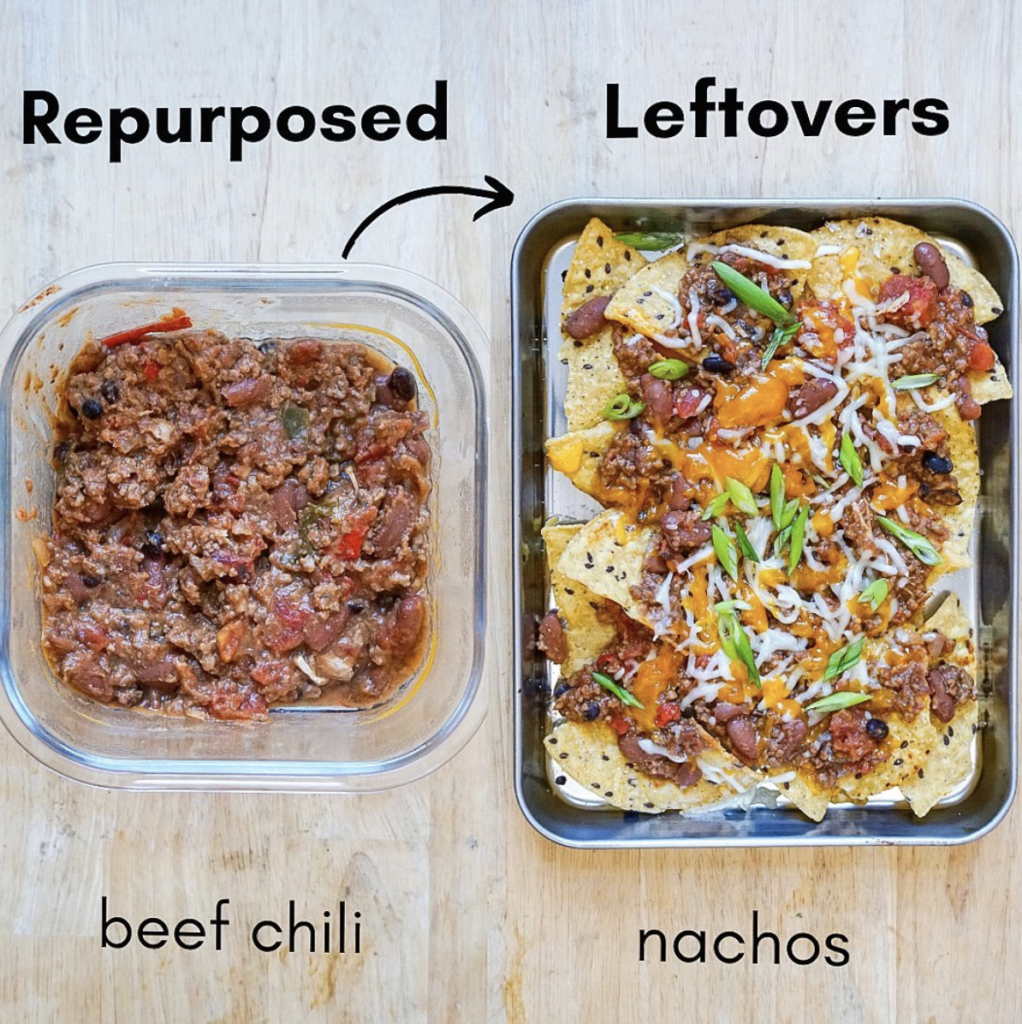
This is the best thing to learn if you hate repetition. Maybe you enjoyed that batch of chili you made on the first night, but eating it AGAIN sounds unappealing. That’s ok. You don’t have to freeze it or let it go to waste! Instead, you can transform it into something brand new. Turn that chili into a topping for a baked potato, for example! All you need to know? Meal templates are the key.
Meal templates are concepts for dishes that allow for tons of customization and variation; our entire library of recipes is based on meal templates. So when you have leftover meals, you can think about what meal template those leftovers are best suited for. And then you can turn it into something new!
Favorite Meal Templates
- Quesadillas and sandwiches
- Tacos
- Burritos and wraps
- Frittatas, omelets and egg scrambles
- Fried rice (I’d say this is the BEST leftover template)
- Stir fry
- Stew, chili or soup
- Curry
- Meatballs
- Pasta
- Mac and cheese
- Ramen
- Nachos
- Stuffed bell pepper, potato or other veggies
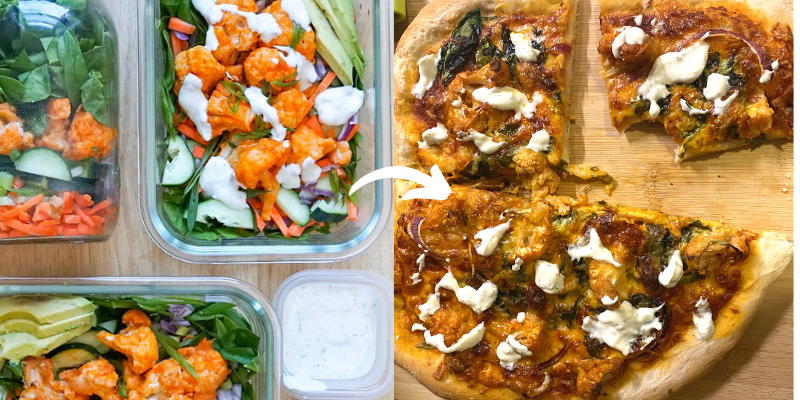
When in doubt, make a pizza out of it. Most things can be turned into a pizza.
Of course, the thing about meal templates is knowing how to actually cook these things. More on that later!
Sometimes, instead of completely transforming leftovers, they just need to be refreshed.
This could be adding toppings to a meal, like cheese, a new sauce or dressing or adding a whole other ingredient to it. I find cheese fixes most leftovers! Sometimes fresh herbs like cilantro or green onion on top can make it feel new again if you don’t feel like cooking.
How To Reheat Leftovers (Even If You Don’t Have A Microwave)
We talked a little bit about how the microwave isn’t ideal for reheating meals, but if you ask me, I’d rather reheat something in the microwave than do more dishes.
Tips for reheating meals in the microwave:
- Sometimes partially covering the container with a lid can help re-steam certain meals back to life. This works well for rice and pasta meals.
- My microwave sucks and doesn’t reheat meals evenly. Sometimes it helps to take the meal out halfway through and give it a stir. This works best for pasta, chili, soup, curries, stews ec.
- If you’re reheating something in a tortilla or a sandwich, take it out of the container and set it on a paper towel on a plate. The paper towel absorbs the moisture and keeps it from being soggy!
If you don’t have a microwave, you can reheat meals on the stove or in the oven as I mentioned earlier!
Tips for reheating meals on the stove:
Pasta, curry, soups, stews, skillet meals, fish, seafood and basically anything you originally cooked on the stove will do well reheated in a pan.
- When in doubt, use a non-stick skillet. This will help make sure none of your food gets left behind!
- Cover the pan to speed up the process and get more even heat on the food.
- Use a little bit of butter, oil or water to “wake up” your meal.
Tips for reheating meals in the oven:
Casseroles, sheet pan meals, pizza, breaded chicken/pork, quesadillas, roasted veggie and anything originally baked will do well reheated in the oven.
- Place food in a baking dish and cover it with foil or an oven-safe lid.
- Put it in the oven on the middle rack and let the oven pre-heat to 375. By the time the oven is done pre-heating the food should be warm!
- Stick food under the broiler – but keep a very, very close eye on it! It can burn very easily. This works best for pizza, quesadillas and breaded chicken/pork.
The Secret To Making Leftovers More Enjoyable
Even if you applied every piece of advice I shared above, none of it matters if you don’t have the basics of cooking down.
If food tastes bad on day one, it’s not going to taste good on day two.
The best way to make leftovers more enjoyable is by cooking meals you enjoy in the first place. This comes with practice! Even as a seasoned home cook, I still make foods I don’t really like once in a while. When we don’t grow as cooks, that’s when we fall into a pattern of food boredom. So I encourage you to slowly (and with compassion) expand your cooking skills.
Wondering where to start?
Through the process of meal prepping and planning, the WWL Meal Prep Program helps all members become better cooks. Are recipes are made for beginners AND they’re tested to taste amazing as leftovers (that’s kind of the whole point).